What Is Dental Bonding and How Can It Improve Your Smile?
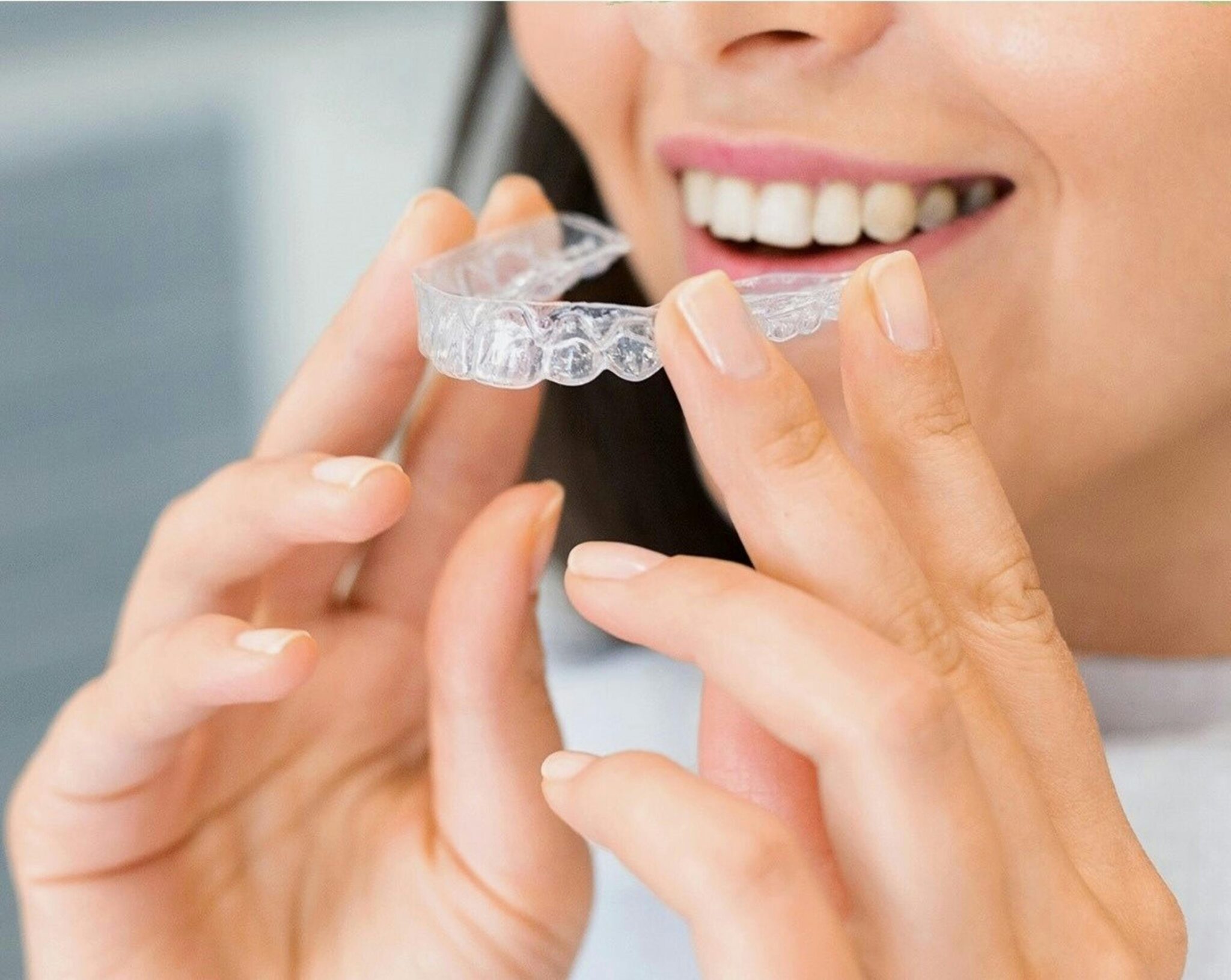
A small chip on a front tooth can draw your eye every time you look in the mirror. So can a narrow gap, a worn edge, or a tooth that seems just a shade darker than the rest. Many people assume those issues require veneers, orthodontics, or a more involved cosmetic treatment. Sometimes they do. Often, though, a much simpler option can make a meaningful difference.
Dental Bonding is one of the most conservative ways to improve a smile. It uses a tooth-colored resin that is shaped directly onto the tooth, then hardened and polished so it blends with the surrounding enamel. When it is done well, the result can look surprisingly natural. Patients are often struck by how a subtle repair changes the whole expression of their face. One smoothed edge or one closed gap can make a smile look more even, cleaner, and more relaxed.
What makes bonding appealing is not just the appearance. It usually preserves healthy tooth structure, can often be completed in a single visit, and tends to cost less than porcelain veneers or crowns. That said, it is not the right answer for every cosmetic concern. The material behaves differently from porcelain, and long-term success depends heavily on case selection, technique, bite forces, and patient habits.
Understanding those trade-offs matters. A good cosmetic result is not just about what looks nice on the day it is polished. It is about choosing a treatment that fits the tooth, the bite, the budget, and the patient’s expectations.
What dental bonding actually is
Dental Bonding involves applying a composite resin to a tooth to improve its shape, color, length, or surface. Composite resin is the same broad family of material many dentists use for tooth-colored fillings, though cosmetic bonding often calls for more layering, more shade matching, and more surface finishing than a typical filling.
The resin starts as a moldable material. The dentist prepares the tooth surface, applies a bonding agent, places the composite in careful increments, and uses a curing light to harden it. Once the material sets, it is refined with contouring instruments and polished to mimic the way natural enamel reflects light.
That last part is where much of the artistry lies. Teeth are not flat white blocks. They have translucency at the edges, subtle ridges, slight differences in brightness from the gumline to the tip, and tiny asymmetries that make them look real. A strong result depends on respecting those details. Overbuilt bonding can look bulky. Too opaque, and it looks chalky. Too smooth, and it can look artificial next to adjacent teeth.
When patients say they want a “natural smile,” what they often mean is that they do not want anyone to notice dental work. Bonding can achieve that, especially for small to moderate corrections.
The kinds of problems bonding can improve
Bonding is versatile, but it is best suited to specific cosmetic and minor restorative situations. In practice, it is commonly used to repair a chipped front tooth, close a small gap between teeth, reshape a tooth that looks too short or slightly crooked, mask localized discoloration, or protect a small area of exposed root caused by gum recession.
It can also improve symmetry. One of the most common smile complaints is that one front tooth edge sits slightly lower than the other, or one lateral incisor looks undersized. These are the kinds of details people notice in photographs even if no one else can immediately identify what seems off. Bonding can often rebalance that smile line without removing much, if any, healthy enamel.
There are practical limits, though. If a tooth is heavily discolored, rotated significantly, badly worn, or structurally compromised, bonding may not be the most durable or esthetic route. Likewise, if someone wants a dramatic transformation across many visible teeth, porcelain veneers may offer more control over color, shape, and longevity. The key is matching the treatment to the problem rather than forcing the problem to fit the treatment.
Why so many patients consider it first
For people who want an improvement without a major commitment, bonding often sits in a useful middle ground. It is more polished and targeted than whitening alone, but far less invasive than crowns. In many cases, it requires little or no drilling. That appeals to patients who are understandably cautious about permanently altering healthy teeth for cosmetic reasons.
Cost matters too. Fees vary by region, complexity, and the number of teeth involved, but bonding is generally less expensive than porcelain work. It can also be staged. A patient might start with a chipped central incisor or a single small gap and decide later whether they want to do more.
Time is another factor. A single tooth can often be bonded in under an hour, though more artistic or multi-tooth cases may take longer. For someone with an event approaching, a wedding, graduation, speaking engagement, or family photographs, bonding can offer visible improvement on a short timeline.
There is also a psychological advantage to a conservative treatment. Patients who feel self-conscious about one feature of their smile often delay treatment for years because they imagine a long, expensive process. Once they learn that a modest repair is possible, the barrier drops. It is not unusual to hear someone say they wish they had done it much sooner.
What the appointment is usually like
One reason Dental Bonding feels approachable is that the process is straightforward. For minor cosmetic work, anesthesia may not even be necessary, though that depends on the area being treated and the patient’s sensitivity. The dentist selects or blends shades to match the natural tooth, then prepares the surface so the resin can adhere properly.
The tooth is typically etched lightly, which creates a microscopic texture, and a bonding liquid is applied. Then the composite is placed, shaped, and cured with a blue light. This may happen in several layers, especially on front teeth where depth and translucency matter. After the final cure, the dentist sculpts the material more precisely and polishes it until it reflects light similarly to enamel.
From the chair, it can look simple. In reality, the outcome depends on dozens of small decisions. How much length to add. Whether to soften or sharpen an edge. How to close a gap without making both teeth look too wide. Whether the smile needs more symmetry or more character. Cosmetic dentistry often works best when it balances textbook ideals with the features that already suit the patient’s face.
Sometimes a dentist will show the patient the shape before the final polish and ask for feedback. That can be helpful, particularly when changing the outline of front teeth. It gives the patient a chance to comment on length or contour while the material is still easy to refine.
Where bonding shines, and where it does not
The strongest cases for bonding tend to involve modest changes with a clear target. A small chip from a coffee mug, a canine that looks pointier than the rest of the smile, a black triangle near the gumline after orthodontics, a tiny gap that catches the eye more than the patient would like. These are situations where resin can do a lot with minimal intervention.
It becomes more complicated when the forces on the tooth are high. Someone who grinds heavily, bites their nails, chews ice, or uses their front teeth to open packaging is asking a lot from composite. The material is durable, but it is not porcelain and certainly not natural enamel in terms of wear resistance. Bonding can chip, stain, or lose its luster over time, especially at the edges.
Bite matters more than many patients realize. If the upper and lower front teeth meet edge to edge, or if a repaired tooth is taking repeated impact during speech and chewing, longevity drops. In those situations, a responsible dentist may recommend adjusting the plan, using a different material, pairing treatment with a night guard, or not doing bonding at all.
That judgment can disappoint people who want a quick cosmetic fix, but it is part of ethical treatment planning. The right answer is not always yes. Sometimes the most professional recommendation is to say, “This will look nice for a while, but it is likely to fail in your bite.”
Bonding compared with veneers, crowns, and whitening
Patients often hear these treatments discussed together, but they serve different purposes. Bonding adds material directly to the tooth. Veneers are thin porcelain shells bonded to the front surface. Crowns cover the entire tooth. Whitening changes tooth color but not shape.
Here is the practical distinction that matters most. Bonding is usually the most conservative and affordable option for small to moderate cosmetic changes. Veneers are more durable against staining and can create a more comprehensive redesign of the smile, but they usually require more planning, more cost, and at least some irreversible enamel modification. Crowns are typically reserved for teeth that need substantial structural support, not just cosmetic enhancement. Whitening works well when color is the main issue, but it will not repair chips, close spaces, or correct proportions.
A patient with one chipped front tooth after an accident may be an excellent bonding candidate. A patient unhappy with the overall color, alignment illusion, and shape of eight upper front teeth may be better served by a broader veneer plan. A patient with old restorations, cracks, and heavy wear might need a restorative approach that goes beyond cosmetics.
This is where consultation quality matters. The best recommendations usually come from a close exam, photos, bite analysis, and an honest discussion of goals rather than a one-size-fits-all menu of cosmetic options.
How long dental bonding lasts
This is one of the most common questions, and the only honest answer is that it depends. Many bonded areas last several years. Some hold up well for five to seven years or longer. Others need touch-ups much sooner. The variation comes from location, size, bite forces, diet, oral hygiene, and the quality of the original work.
A small bonded repair on a tooth that is not under much stress may last a long time. A bonded edge on a front tooth in a patient who clenches at night may chip within months if the forces are high enough. Composite also tends to pick up stain over time, especially with coffee, tea, red wine, tobacco, and inconsistent polishing.
What helps is that bonding is often repairable. Unlike porcelain, which may need full replacement if it chips, composite can frequently be refreshed or added to. That makes maintenance more manageable and sometimes less expensive. Still, repairs and touch-ups are part of the long-term picture, and patients should know that before they choose the treatment.
The role of shade and surface texture
People tend to focus on tooth color, but surface texture and light reflection are just as important to how bonding looks. A tooth that is the correct shade but too smooth or too matte can stand out. So can bonding that matches under operatory lights but looks too opaque in daylight.
This is why cosmetic bonding can be deceptively demanding. Front teeth are visible from different angles and under different lighting conditions. Younger teeth often have more luster and subtle translucency. Older teeth may be flatter in texture and slightly warmer in tone. Matching a 22-year-old’s central incisor is a different challenge from blending into a 58-year-old smile with years of wear.
A careful polish is not just a finishing touch. It affects appearance, comfort, and stain resistance. Rough composite accumulates plaque and picks up discoloration more easily. Patients sometimes think their bonding “changed color” when what really happened is that the surface lost polish and began retaining stain.
Good candidates for bonding
Some people are almost ideal candidates because their goals match the strengths of the material. Others want outcomes that are better achieved another way.
The best candidates usually share a few traits:
- They want to correct small to moderate cosmetic issues, such as chips, minor gaps, or slight shape differences.
- Their teeth and gums are generally healthy, without active decay or untreated gum disease.
- Their bite is reasonably stable, with no severe clenching pattern that would overload the bonded area.
- They understand that composite may need maintenance and does not behave exactly like porcelain.
- They value a conservative approach and prefer to preserve natural tooth structure whenever possible.
Even within those categories, details matter. A singer, teacher, or public-facing professional may be especially sensitive to tiny esthetic changes because they spend so much time speaking and smiling. A person who has had orthodontic treatment may be focused on final refinements that make the result feel complete. Bonding can be excellent in both situations, but only if the expectations are specific and realistic.
When the result looks especially natural
The most convincing bonding often goes unnoticed because it respects proportion. Teeth should suit the lips, face shape, age, and personality of the patient. That does not mean every smile needs to be perfectly symmetrical or ultra white. In fact, slight individuality often looks better than an overdesigned cosmetic result.
One common example is repairing a chipped edge on just one front tooth. If the dentist over-corrects and makes that tooth too perfect, it may stand out against the natural wear of the neighboring tooth. The better result is often a subtle recreation of what belongs there, not a glossy reinvention.
Another example is closing a gap. If the entire space is added to one tooth, the width can start to look unnatural. Dividing the closure carefully between both teeth and shaping the contact area appropriately usually looks more believable and cleans more easily.
These decisions are not dramatic from a technical standpoint, but they are what separate acceptable bonding from beautiful bonding.
Limitations patients should know before saying yes
Composite resin is useful, but it is not magic. It can stain, chip, and dull over time. It is technique sensitive. Moisture control matters. So does polishing. In a less favorable bite, even good bonding may not last as long as the patient hopes.
There are also color limitations. If someone wants a much whiter smile and plans to whiten later, the sequence of treatment becomes important. Bonding https://miloeact570.nexorafield.com/posts/how-dental-bonding-can-restore-a-broken-tooth does not whiten with bleaching gel, so many dentists recommend whitening first, then matching the bonding to the new shade. If old bonding is already present, whitening the surrounding teeth can make that older composite more obvious.
Patients should also know that “reversible” is not always absolute. While cosmetic bonding is usually conservative and may require little enamel alteration, the line between untouched and slightly modified enamel can blur depending on the case. It is still far less invasive than many alternatives, but a careful consent conversation is appropriate.
Caring for bonded teeth
Maintenance is simple, but it matters. Composite rewards good habits and punishes rough ones. The first couple of days after placement are not usually restrictive in a major way, but long-term care makes the difference between bonding that stays smooth and bonding that begins to look tired early.
A few habits are especially worth keeping:
- Brush and floss consistently, because plaque buildup dulls the surface and irritates the gums around cosmetic work.
- Avoid biting hard objects with front teeth, including ice, pens, fingernails, and packaging.
- Limit frequent exposure to staining agents, or rinse with water after coffee, tea, red wine, or dark sauces.
- Keep regular dental visits so the surface can be checked and repolished if needed.
- Wear a night guard if clenching or grinding is part of your pattern, especially after front-tooth bonding.
Professional polishing can revive bonding that has lost some shine. Not every stain means replacement is necessary. Sometimes the fix is simply maintenance.
Questions worth asking at a consultation
The best cosmetic consultations are specific. Rather than asking, “Can you do bonding?” it helps to ask what outcome is realistic for your particular teeth. A useful conversation covers durability, whether whitening should happen first, what level of maintenance to expect, and how the proposed bonding will function in your bite.
It is also reasonable to ask to see before-and-after examples of similar cases, particularly if the work involves visible front teeth. Cosmetic style varies from clinician to clinician. Some favor ultra smooth, very bright finishes. Others aim for softer, more enamel-like texture. Neither is automatically right or wrong, but patients are better served when they can see how a dentist tends to shape and finish anterior work.
If you grind at night, mention it. If a previous bonded edge chipped twice, mention that too. These details affect planning more than many people realize.
The bigger impact of a small repair
One of the most interesting things about Dental Bonding is how often the physical change is small while the emotional effect is large. A tiny chip fixed in thirty minutes can make someone stop hiding their teeth in photos. Closing a slight gap can change the way a person speaks, laughs, and carries themselves. Cosmetic dentistry is sometimes dismissed as superficial, but confidence is not superficial when it affects how freely a person shows up in daily life.
At its best, bonding does not make someone look like a different person. It removes a distraction. It restores what was lost or softens what has been bothering them for years. The smile still looks like theirs, just cleaner, more balanced, and easier to wear.
That is why the treatment remains popular despite newer materials and more elaborate cosmetic options. It solves the right problems with restraint. When the case is well chosen and the work is carefully done, bonding can be one of the smartest improvements available in dentistry: conservative, practical, and capable of changing a smile without changing the person behind it.
Toothworks of Bakersfield, Dentist and Orthodontist
Address: 1030 H St #1, Bakersfield, CA 93304
Phone number: +16613239421
FAQ About Dental Bonding
How long does dental bonding last?
Dental bonding typically lasts between 3 and 10 years (averaging about 5 to 8 years) before it needs a touch-up or replacement. Its lifespan depends heavily on your daily habits, where the bonding is placed in your mouth, and how well you care for your teeth.
How expensive is bonding a tooth?
Dental bonding typically costs between $100 and $600 per tooth, with a national average of about $431 per tooth.
What are the downsides of dental bonding?
Dental bonding has several drawbacks, including lower durability, a shorter lifespan, and a tendency to stain compared to alternatives like porcelain veneers.