What Dentists Want You to Know About Dental Bonding
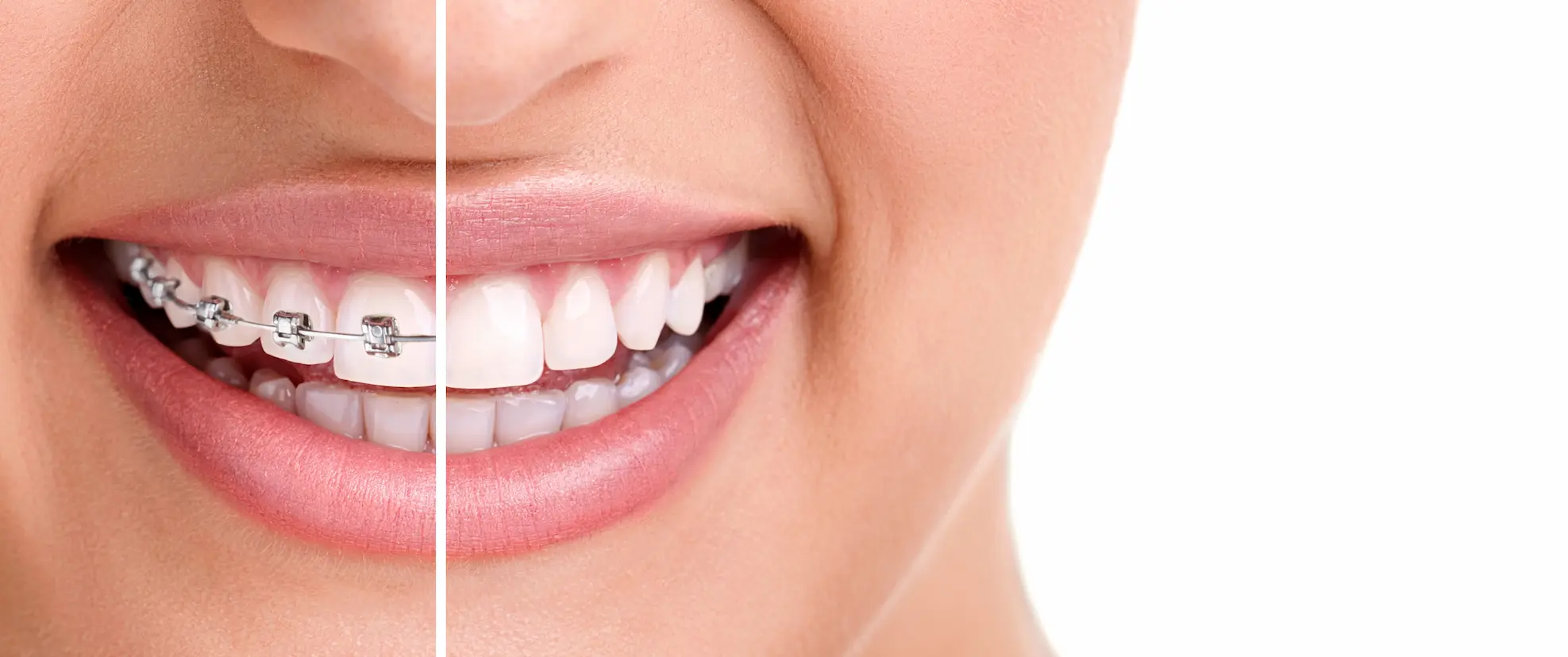
Ask ten people what bothers them most about their smile and you will hear a familiar set of complaints. A chipped front tooth from an old sports injury. A gap that always shows up in photos. Staining that whitening never fully touched. A tooth that looks slightly too short, too narrow, or just a little off. In many of those cases, dental bonding is one of the first treatments a dentist considers, not because it is flashy, but because it can solve a very specific cosmetic problem quickly and conservatively.
That last point matters more than patients often realize. Dental bonding is not simply the inexpensive version of veneers, and it is not a magic fix for every cosmetic concern. It sits in a very useful middle ground. When used for the right reason, on the right tooth, with the right expectations, it can produce beautiful results with minimal drilling and a manageable cost. When used in the wrong situation, it can chip, stain, or disappoint.
Dentists tend to speak carefully about bonding because they know both sides of the story. They have seen the excellent one-visit repairs that make a patient grin the moment they look in the mirror. They have also seen the rushed patch jobs that looked bulky after six months and cracked after one hard bite on a fork or a popcorn kernel. If you are considering Dental Bonding, the details are worth understanding before you ever sit in the chair.
What dental bonding actually is
Dental bonding uses a tooth-colored composite resin to change the shape, size, or appearance of a tooth. It is the same family of material many dentists use for white fillings, though the polish, layering, and artistic goals are different in cosmetic work. The resin is applied in a putty-like form, shaped by hand, hardened with a curing light, and then refined and polished so it blends with the natural tooth.
That simple description hides a lot of technique. Good bonding is part dentistry, part sculpture, and part optical illusion. Natural teeth are not one flat shade of white. They reflect light differently from the edge to the center. They have subtle translucency, small contours, and texture that keeps them from looking fake. A dentist who does cosmetic bonding well pays attention to those details, especially on the front teeth where every line catches the light.
Patients are often surprised by how little tooth preparation is needed. In many bonding cases, especially when the goal is to fill a chip or close a tiny gap, the dentist removes very little enamel or none at all. The tooth is conditioned so the material can adhere, then the resin is added and shaped. That conservative approach is one of bonding’s biggest advantages.
Where bonding shines, and where it does not
The Dental Bonding best uses for bonding are usually focused, modest changes. Think of the person with a nick on the edge of a front tooth, or someone whose lateral incisor is naturally undersized and makes the smile look uneven. Bonding is also often used to close small spaces, smooth rough edges, improve minor asymmetry, and cover localized discoloration that does not respond to bleaching.
It can also be a smart option when a patient wants to test a cosmetic change before committing to something more permanent. A dentist may use bonding to add length to worn teeth or improve shape, then evaluate how the bite and appearance feel over time. That kind of reversible or semi-conservative trial is harder to do with more aggressive treatments.
Where bonding becomes less reliable is in high-stress situations or when the cosmetic problem is larger than the material can gracefully handle. A patient with severe grinding, a deep bite, or edge-to-edge contact on the front teeth may keep breaking composite no matter how carefully it is placed. Heavily discolored teeth can be difficult to mask with bonding alone without making them look opaque. Large cosmetic redesigns across the whole smile may be possible with composite, but they demand unusual skill and maintenance, and many dentists would discuss porcelain options in the same conversation.
This is one of the most important truths dentists want patients to hear: a treatment can be good without being right for you.
The appeal is real, and so are the trade-offs
Bonding remains popular for good reasons. It is usually less expensive than porcelain veneers or crowns. It can often be done in one appointment. It preserves more natural tooth structure than more invasive cosmetic treatments. For younger patients, or for anyone not ready to commit to extensive dentistry, those are compelling advantages.
But the trade-offs are not minor footnotes. Composite resin is not porcelain. It is softer, more prone to wear, and more likely to pick up stains over time. Even excellent bonding may require touch-ups, repairs, repolishing, or replacement earlier than porcelain would. The finish can lose some of its initial luster, especially if the patient drinks coffee daily, smokes, or tends to bite nails, pens, or ice.
There is also the issue of edges. When bonding is added to reshape a front tooth, the junction between tooth and resin can be almost invisible when it is fresh and meticulously polished. Years later, if the material stains differently than the enamel around it, that once-hidden border may become easier to see. This does not mean the bonding failed. It means composite ages differently from natural enamel.
A practical way to think about it is this: bonding often gives you the least invasive path to a noticeable improvement, but that lower upfront commitment usually comes with more maintenance over time.
What happens during the appointment
For small cosmetic corrections, the appointment is often straightforward. The dentist evaluates color first, usually before the tooth dries out under bright operatory lights. Shade selection seems like a minor detail, but it is one of the places where strong results are won or lost. Teeth look different in morning light, afternoon light, and under fluorescent fixtures. A bonded front tooth that is technically the right shade but the wrong translucency can still stand out.
The surface of the tooth is cleaned and prepared. Some cases need light roughening or minor contouring. A conditioning gel and bonding agent help the composite adhere. Then the resin is placed in small increments. That layering matters. Trying to build the whole tooth in one thick blob tends to produce a flat, artificial appearance and can compromise the material.
Once the shape is close, the dentist cures it with a light, trims it with fine burs or discs, and spends time adjusting the bite. This is another step patients do not always appreciate until something goes wrong. A bonded edge that hits first when you bite is under constant stress. Even a beautiful restoration can fail early if the bite is off by a fraction.
The final polish is not cosmetic fluff. A smoother surface feels better, resists plaque accumulation, and tends to stain less. It also helps the bonding catch light in a more natural way. Skilled finishing is one reason two cases with the same material can look completely different.
Not every dentist approaches cosmetic bonding the same way
This is worth saying plainly. Dental bonding is highly technique-sensitive. Materials matter, but planning and hand skills matter more. One dentist may see a small gap and close it gracefully with proportions that suit the face and smile line. Another may close the same gap by making both teeth too wide, creating a result the patient cannot quite identify as wrong but immediately feels is off.
Experience shows up in subtle choices. How much width can be added before the front teeth look boxy. Whether a stain should be covered, brightened, or left partly visible so the tooth does not look unnaturally uniform. Whether a chipped edge should be rebuilt longer at all, or whether that change would throw the smile out of balance. These are not decisions a material makes on its own.
Patients often assume cosmetic dentistry is mostly about color. In reality, shape and proportion are usually more important. A slightly imperfect shade in the correct form often looks natural. A perfect shade in the wrong shape looks fake from across the room.
If a case is in the aesthetic zone, meaning the front teeth that show when you smile, it is reasonable to ask the dentist how often they do cosmetic bonding, whether they have before-and-after photos of similar cases, and how they handle maintenance if a bonded tooth chips. Those are practical questions, not vanity.
Bonding versus veneers, crowns, and fillings
Patients sometimes hear several treatment options and assume they are interchangeable. They are not.
Bonding is additive and conservative. Veneers are thin porcelain facings that usually require some enamel reshaping and are fabricated in a lab. Crowns cover the entire tooth and are used when a tooth needs full structural protection, not just cosmetic refinement. White fillings repair decay or damage, though the same composite material can overlap with cosmetic bonding techniques.
A simple comparison helps:
| Treatment | Best for | Main advantage | Main limitation | | --- | --- | --- | --- | | Dental Bonding | Small chips, gaps, shape corrections, localized discoloration | Conservative and often done in one visit | More prone to staining and chipping than porcelain | | Veneers | Broader cosmetic changes on visible front teeth | Excellent esthetics and durability | More expensive, usually requires more tooth preparation | | Crowns | Teeth with major damage, large fillings, cracks, or weakness | Full coverage and strength | Most invasive of the three | | White fillings | Cavities and functional repair | Restores tooth with dental bonding cost tooth-colored material | Not designed primarily for smile design |
The right choice depends on what the tooth needs structurally, how much change is being requested cosmetically, and how the patient uses their teeth every day.
Longevity depends on habits more than people expect
One of the most common questions about Dental Bonding is how long it lasts. There is no honest single answer. Small repairs on low-stress areas can look good for many years. Bonding on the biting edge of front teeth in a patient who grinds at night may need attention much sooner. A careful estimate is usually somewhere in the range of a few years to several years, with some lasting longer and some failing earlier for understandable reasons.
The patient’s habits influence that timeline heavily. Coffee, red wine, tea, tobacco, clenching, nail biting, chewing ice, and opening packages with the teeth all increase the odds of trouble. So does skipping regular polishing and checkups. Composite does not take care of itself.
Dentists also look at the bite. Two people can have the same bonded front tooth placed by the same clinician on the same day and get very different lifespans from it. If one person has a stable bite and normal function, the restoration may age gently. If the other person has heavy parafunctional forces, the material is constantly being tested.
That is why a night guard is often part of the conversation. Some patients resist this because they think it sounds like upselling. In reality, when someone grinds, the guard often protects not just the bonding but the natural teeth as well. A chipped edge can be repaired. Repeated enamel wear is harder to reverse.
The care instructions that matter most
Post-treatment care is not complicated, but it does require common sense and consistency.
- Brush and floss normally, paying attention to the gumline around the bonded area.
- Avoid biting hard objects with bonded front teeth, including ice, pens, and fingernails.
- Be cautious with foods that can stain, especially in the first couple of days after placement and over the long term.
- Keep regular dental visits so rough spots, bite issues, or early staining can be addressed before they worsen.
- Wear a night guard if your dentist recommends one for grinding or clenching.
None of this is dramatic, but it is the difference between bonding that stays polished and bonding that becomes chipped, stained, or rough around the margins.
Cost is part of the decision, but it should not be the only part
Bonding is often presented as the budget-friendly cosmetic option, and compared with porcelain work, that is frequently true. But price alone can be misleading. A very low-fee bonding case that needs repeated repairs may cost more in time and money than a better-planned alternative. On the other hand, paying for porcelain when a tiny chip could have been beautifully repaired with composite is unnecessary treatment.
The most sensible financial conversations focus on value over time. What exactly is being corrected. How visible is the tooth. How stable is the bite. How likely is maintenance. If the bonding fails, can it be easily repaired, or does the case tend to become a cycle of patchwork? Good dentists think beyond the invoice for the first visit.
There is also a psychological component. For some patients, same-day improvement matters a lot. A person with a chipped front tooth before a wedding, job interview, or speaking event may place a very high value on a treatment that restores the smile immediately without complex planning. In those cases, bonding offers something porcelain often cannot, speed with minimal disruption.
Whitening first, then bonding, usually works better
A practical detail many patients do not know is that bonded material does not whiten the way natural enamel does. If someone is considering both whitening and bonding, dentists often recommend whitening first, then matching the composite to the lighter shade. Doing it in the opposite order can leave the bonded area looking darker once the surrounding tooth brightens.
This comes up often when a patient wants to fix an old chip and also improve overall color. It is frustrating to place beautiful new bonding, then have the patient bleach later and discover the repair no longer blends as well. A little sequencing avoids that problem.
Timing matters after whitening too. Teeth can be temporarily dehydrated and the shade can shift slightly, so many dentists prefer to wait a short period before final shade matching. It is a small planning point that leads to a more natural result.
Who makes a great candidate
The strongest candidates for bonding usually have a specific, moderate concern and healthy underlying teeth and gums. They understand that composite is not indestructible, and they are willing to maintain it. They want improvement, not perfection under a microscope.
Some of the best bonding cases are almost invisible to other people because they preserve what already looks like a real tooth. A tiny edge repair that nobody notices, a slight contour adjustment that makes the smile feel more balanced, a small diastema closure that stops drawing the eye, these are the quiet wins of cosmetic dentistry.
Patients who struggle most tend to fall into one of two groups. The first group expects bonding to behave like porcelain indefinitely with no maintenance. The second wants it to solve a problem that is not really a bonding problem, such as major crowding, severe discoloration, or a broken tooth that actually needs structural treatment.
That mismatch between the problem and the procedure is where disappointment starts.
Questions worth asking before you say yes
A short, direct conversation with your dentist can reveal a lot. You do not need a script, but a few questions are genuinely useful:
- Am I a good candidate for bonding specifically, or would another treatment hold up better?
- How much natural tooth needs to be altered for this case?
- What kind of maintenance or repair is likely over the next few years?
- Will my bite or grinding habits put this bonding at higher risk?
- Should I whiten first if I also want a brighter smile?
Those questions tend to move the conversation away from sales language and toward clinical judgment. That is where the best decisions happen.
What patients remember after the procedure
Most people do not remember the bonding material, the curing light, or the polishing discs. They remember how normal the tooth felt afterward, or how relieved they were that a flaw they had fixated on for years no longer pulled their attention every time they smiled. That emotional shift is real, and it is one reason conservative cosmetic dentistry can be so satisfying.
The best bonding work usually does not announce itself. It restores proportion, repairs damage, and lets the rest of the smile make sense again. That may sound modest, but modesty is often the hallmark of quality in dentistry. Teeth should look like teeth, not like a treatment.
Dentists who do this well know that success is not just making a tooth whiter or bigger. It is choosing a material and a design that respect biology, function, appearance, and the patient’s long-term reality. Dental Bonding can absolutely be the right choice. It just works best when it is chosen for the right reasons, done with a disciplined hand, and cared for like the small but important investment it is.
Toothworks of Bakersfield, Dentist and Orthodontist
Address: 1030 H St #1, Bakersfield, CA 93304
Phone number: +16613239421
FAQ About Dental Bonding
How long does dental bonding last?
Dental bonding typically lasts between 3 and 10 years (averaging about 5 to 8 years) before it needs a touch-up or replacement. Its lifespan depends heavily on your daily habits, where the bonding is placed in your mouth, and how well you care for your teeth.
How expensive is bonding a tooth?
Dental bonding typically costs between $100 and $600 per tooth, with a national average of about $431 per tooth.
What are the downsides of dental bonding?
Dental bonding has several drawbacks, including lower durability, a shorter lifespan, and a tendency to stain compared to alternatives like porcelain veneers.