How to Compare Cosmetic Dentistry Bakersfield CA Treatment Plans
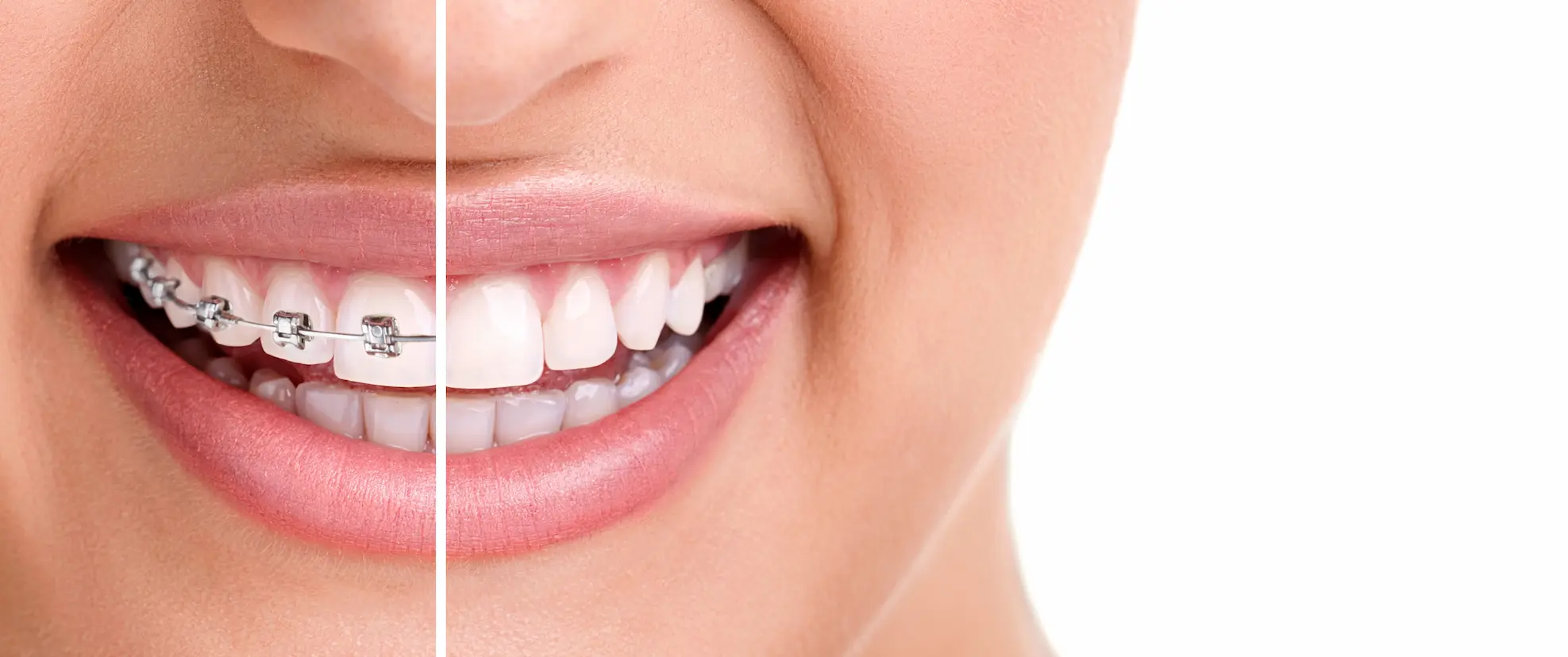
Choosing a cosmetic dental treatment plan can feel strangely complicated. On the surface, two offices may seem to offer the same result, a brighter smile, straighter teeth, repaired chips, or a full smile makeover. Once you look closer, the plans often Cosmetic Dentistry Bakersfield CA Toothworks of Bakersfield, Dentist and Orthodontist differ in materials, sequencing, cost structure, preparation requirements, and long-term maintenance. Those details matter. They affect not only how your smile looks on delivery day, but also how it wears, how comfortable it feels, and what you may need to repair or replace five or ten years later.
That is especially true when comparing options for Cosmetic Dentistry Bakersfield CA patients commonly explore, such as veneers, bonding, whitening, clear aligners, crowns, and implant restorations. The treatment plan that looks cheapest on paper may involve more maintenance. The fastest option may remove more healthy enamel. The most comprehensive makeover may solve problems you did not realize were connected, like bite imbalance, uneven wear, or old fillings that keep breaking.
The smartest comparisons go beyond the before-and-after photos. They look at diagnosis, design philosophy, material choices, longevity, and the dentist’s restraint. Good cosmetic dentistry is not just about making teeth whiter or larger. It is about creating a result that fits your face, your bite, your habits, and your budget without causing new problems.
Start with the diagnosis, not the cosmetic menu
A treatment plan deserves scrutiny the moment it jumps straight to the solution. If an office quickly recommends ten veneers without discussing enamel condition, bite function, gum health, existing restorations, or clenching habits, that is a warning sign. Attractive dentistry depends on sound foundations.
A careful cosmetic workup usually begins with a full exam and a real conversation. The dentist should ask what bothers you and why. Some patients point to discoloration, but the underlying issue is actually worn enamel. Others ask for veneers because they dislike crowding, yet they may be candidates for whitening plus aligners with far less tooth alteration. A few come in requesting bonding on chipped edges, but the chipping keeps happening because they grind at night.
A strong plan explains what is cosmetic, what is structural, and what is preventive. If gum inflammation is present, it should be addressed before shade matching. If old fillings under front teeth are failing, that may change the restoration choice. If the bite is unstable, the cosmetic work may need protection with orthodontics, equilibration, or a night guard.
This is where experience shows. The best cosmetic dentists are often the least eager to start drilling.
Compare conservative options first
Many patients assume the “best” cosmetic plan is the one that promises the most dramatic change. In practice, the best plan is often the one that reaches your goal while preserving the most natural tooth structure.
That might mean whitening before replacing visible restorations, because composites and porcelain do not whiten with bleaching. It might mean clear aligners before veneers, because straightening teeth can reduce or eliminate the need to reshape healthy enamel. It might mean enamel recontouring and bonding for minor asymmetries rather than full-coverage porcelain.
I have seen treatment plans where one office proposed eight veneers and another proposed whitening, short-term aligners, and two small areas of bonding. Both could produce a more attractive smile. Only one preserved nearly all of the patient’s natural tooth structure. The second plan also cost less, though it took longer. For many people, that is a worthwhile trade.
That does not mean conservative is always better in every case. Deep tetracycline staining, severely worn edges, large old restorations, or teeth with shape and size discrepancies may genuinely call for porcelain. The point is that a treatment plan should justify why a more invasive option is necessary.
What exactly is being treated?
One of the simplest ways to compare cosmetic plans is to ask each office to define the target. Are they treating color, shape, spacing, alignment, wear, gum display, missing teeth, or all of the above? Vague treatment plans create disappointment because the patient and the dentist may not be visualizing the same finish line.
A patient may say, “I want a Hollywood smile,” but mean only that they want brighter, cleaner-looking teeth. Another may bring in photos of broad, bright veneers, then later decide the result looks too opaque or too square for their face. The plan should narrow those preferences into specifics, including tooth shade, translucency, edge shape, symmetry, and smile width.
When comparing plans, ask whether the office uses digital previews, wax-ups, mock-ups, or provisional restorations. These tools are not mandatory in every simple case, but they are extremely helpful for larger cosmetic changes. They reduce guesswork. They also reveal whether the office is designing a smile for your features or applying the same look to everyone.
Materials are not a small detail
The phrase “veneers” can hide a lot of variation. So can “crowns,” “bonding,” and even “whitening.” Two plans may use the same procedure names and deliver very different outcomes.
Porcelain veneers, for example, can vary in thickness, translucency, fabrication method, and preparation design. Composite bonding can be quick and beautiful in skilled hands, but its longevity and polish retention differ from porcelain. Zirconia crowns are strong, but in visible front teeth they may not always offer the same optical qualities as layered ceramics. Whitening systems vary in concentration, wear time, sensitivity profile, and predictability.
Ask what material is being used and why. A strong answer sounds specific. It connects the material to your tooth color, bite forces, wear pattern, and aesthetic goals. A weak answer sounds generic, like “This is what we usually do.”
If you are comparing treatment plans for Cosmetic Dentistry Bakersfield CA, climate is not the issue, habits are. Bakersfield patients who work long hours, sip coffee throughout the day, play contact sports, or grind their teeth at night may need a different material strategy and maintenance plan than someone with low wear and minimal staining habits.
The lab and the ceramist often shape the final result
Patients understandably focus on the dentist, but the dental laboratory is a major variable in cosmetic work. A top-tier ceramist can create restorations with lifelike texture, layered color, and natural translucency. A lower-cost lab may produce restorations that fit adequately but look flat, too bright, too monochromatic, or too bulky.
You do not need to interview the lab yourself, but it is reasonable to ask where the restorations are made and whether the dentist works closely with the ceramist on shade and design. In complex cases, the strongest offices often photograph extensively, communicate custom specifications, and occasionally bring the patient in for a live shade match.
That behind-the-scenes collaboration matters more than many patients realize. The difference between “nice teeth” and “those look like veneers” often lives in the lab work.
Look closely at how each plan handles your bite
A smile makeover that ignores bite mechanics can become expensive regret. Cosmetic dentistry lives on the front surfaces of teeth, but those teeth function within a bite system. If the upper and lower teeth do not meet properly, thin edges chip, bonding fractures, and porcelain can fail early.
This is one area where treatment plans often separate clearly. A thorough plan may include photographs of wear facets, notes about clenching, an evaluation of the jaw joints, or discussion of how the new restorations will be protected. A superficial plan may simply quote the cosmetic portion and move on.
If one office talks in detail about function and another does not, do not dismiss the first as “overcomplicating it.” They may be the only one protecting your investment.
This comes up often with patients who have flattened front teeth. They may think the solution is just rebuilding the edges. Sometimes it is. Sometimes those edges have flattened because the bite forces are excessive and recurring. If the plan includes bonding or veneers without acknowledging the cause, failure is more likely.
Timing affects quality
Cosmetic treatment is not always best when rushed. Some offices market same-day or very rapid smile transformations, and in select situations that may be appropriate. For straightforward whitening, simple bonding, or well-planned digital workflows, speed can be fine. But comprehensive treatment often benefits from sequencing.
Gums may need time to heal after periodontal care. Teeth may need to settle after aligner treatment. Whitening may need to be completed before final shade decisions for restorations. Provisionals may reveal speech changes, edge length issues, or aesthetic preferences before porcelain is finalized.
When comparing plans, ask not only how long treatment takes, but why. A plan that takes several months is not automatically better, but one that builds in testing, healing, and refinement may produce a more stable and natural outcome than one that compresses everything into a very short timeline.
Cost comparisons only make sense when the scope is equal
Many patients compare treatment plans by total price alone. That is understandable and often necessary, but it can also be misleading. One fee may include records, temporaries, adjustments, retainers, whitening, bite guard fabrication, and follow-up visits. Another may not. One may cover high-end ceramics and laboratory customization. Another may use more basic materials. One may include replacing old fillings adjacent to cosmetic work. Another may leave them untouched.
This is where written treatment plans are essential. You want enough detail to compare apples to apples.
Here are the cost questions worth asking before you judge one estimate against another:
- What procedures, materials, and follow-up visits are included in the quoted fee?
- Are temporaries, retainers, whitening, or night guards separate charges?
- If a restoration chips or needs adjustment soon after delivery, what is covered?
- Will additional treatment be needed first, such as gum therapy or replacing old fillings?
- Is the plan phased, and if so, what does each phase cost?
Those five questions reveal a lot. Sometimes the lower estimate is efficient and perfectly appropriate. Other times it is lower because key steps have been omitted or moved off the quote.
Pay attention to the provisional and revision process
Cosmetic dentistry can be technically correct and still feel wrong to the patient. Maybe the teeth are too long. Maybe the shape looks too square. Maybe the shade is brighter than expected once seen in daylight. This is why the revision process matters.
Offices that do a high volume of aesthetic work usually have a method for refining the design before final delivery. That may involve wax-ups, mock-ups, temporary veneers, or trial smiles. These steps can feel tedious, but they are often where the best outcomes are won. Patients react to real shapes in their own Cosmetic Dentistry Bakersfield CA mouths very differently than they react to verbal descriptions.
If one treatment plan includes a genuine preview process and another does not, that difference carries value. It lowers the risk of remakes and disappointment.
Ask how maintenance will work in real life
No cosmetic result is maintenance-free. Whitening fades. Bonding stains and may need polishing or touch-ups. Veneers can chip. Crowns can wear opposing teeth if the bite is not managed properly. Retainers after aligners are not optional if you want teeth to stay put.
Good treatment plans acknowledge this plainly. Great ones tailor maintenance to the patient’s habits. Someone who drinks coffee all day and smokes occasionally has different whitening upkeep than someone who does neither. A patient who grinds needs a guard, not vague advice to “be careful.” A patient with extensive bonding on the front teeth should know that small repairs may be normal over time.
One of the most useful comparisons you can make is not between the procedures themselves, but between the aftercare expectations attached to them. A lower-maintenance plan may be more valuable than a flashier one if it fits how you actually live.
Credentials matter, but communication matters more than marketing
Patients often ask how much weight to give cosmetic credentials, continuing education, and before-and-after galleries. The answer is, some, but not blindly. Advanced training matters. Consistent cosmetic experience matters. Clear photography matters. Yet polished marketing can sometimes hide a one-size-fits-all approach.
What you want to see is judgment. Does the dentist explain trade-offs honestly? Do they talk about limitations? Do they listen when you say you want a natural look, not an ultra-white smile? Do they show examples that resemble your dental starting point, not only dramatic transformations?
A practitioner who says, “You could do ten veneers, but I think four plus whitening and minor contouring would serve you better,” is often showing more expertise than one who reflexively sells the bigger case.
Red flags that deserve a second opinion
Not every concern means a plan is poor, but certain patterns should slow you down. Pressure to commit immediately is one. So is a treatment plan that skips records, glosses over bite issues, or cannot explain why certain teeth need full coverage. Be cautious if the office guarantees perfection, dismisses the possibility of maintenance, or avoids giving details about materials and lab work.
Another subtle red flag is when every patient in the photo gallery seems to receive the same smile design, very white, very uniform, very opaque. Some patients want that look. Many do not. Cosmetic dentistry should be customizable.
If something feels rushed or overly sales-driven, get another opinion. In most cosmetic cases, there is time to think.
A practical way to compare two or three plans
When patients feel overwhelmed, I usually suggest they compare plans through four lenses: preservation, predictability, durability, and fit. Preservation asks how much healthy tooth structure is kept. Predictability asks how clearly the result is previewed. Durability asks how the bite, materials, and habits affect longevity. Fit asks whether the plan aligns with your aesthetic taste, maintenance tolerance, and budget.
That framework cuts through a lot of noise. It also helps explain why the “best” plan is not always the least expensive, nor the most comprehensive. A patient in their twenties with healthy enamel and mild spacing may prioritize preservation above all. A patient with multiple worn restorations and edge fractures may need durability and bite control to come first. Someone preparing for a wedding in four months may accept a phased plan that starts with whitening and bonding now, with porcelain later if needed.
The right plan fits the person, not just the teeth.
If you are comparing Bakersfield cosmetic treatment plans
Patients evaluating Cosmetic Dentistry Bakersfield CA options often have access to several capable offices, but the plans can sound similar at first glance. Ask for detail. Ask for rationale. Ask what the dentist would recommend if you were their family member and they wanted to preserve your teeth for decades, not just photograph them next month.
You are not simply buying a prettier smile. You are choosing a biological, functional, and aesthetic strategy. The best treatment plan should make sense clinically, look natural on your face, respect your budget, and hold up under the way you actually eat, drink, speak, and live.
That kind of plan rarely feels like a hard sell. It feels considered. It answers questions before you think to ask them. It explains what can be improved, what should be protected, and where restraint is wiser than excess.
A beautiful result is the goal. A thoughtful plan is how you get there.
Toothworks of Bakersfield, Dentist and Orthodontist
Address: 1030 H St #1, Bakersfield, CA 93304
Phone number: +16613239421
FAQ About Cosmetic Dentistry Bakersfield CA
What is considered cosmetic dentistry?
Cosmetic dentistry includes any dental treatment focused primarily on improving the appearance of your teeth, gums, or bite rather than treating a disease or restoring basic function.
How much does cosmetic dentistry usually cost?
The cost of cosmetic dentistry typically ranges from a few hundred dollars for minor touch-ups to over $20,000 for a comprehensive smile makeover, depending entirely on the specific procedure, materials used, and how many teeth are treated. Because most cosmetic treatments are elective, they are usually paid out of pocket without insurance coverage.
Is there a difference between a regular dentist and a cosmetic dentist?
Yes, a regular dentist focuses on your overall oral health and preventing disease, while a cosmetic dentist focuses on improving the look of your smile.