How Cosmetic Dentistry Bakersfield CA Creates Natural Results
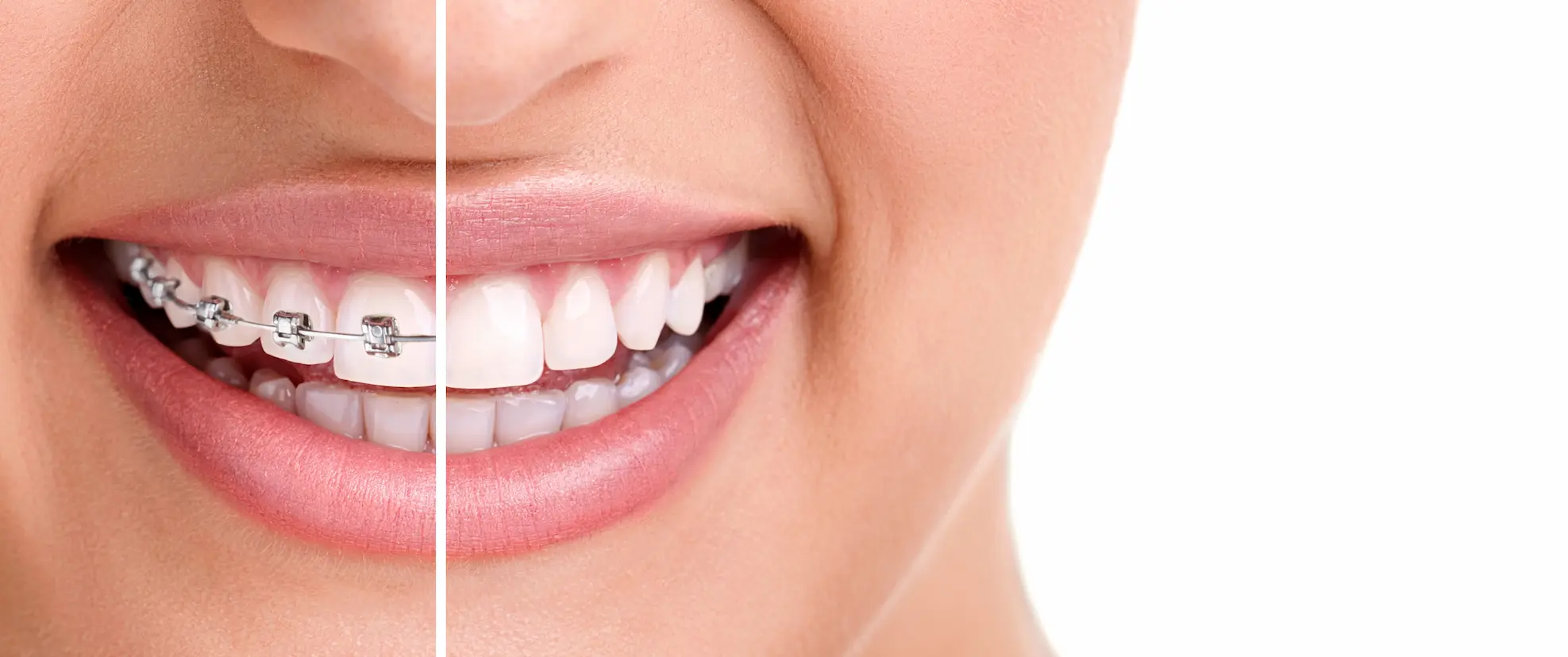
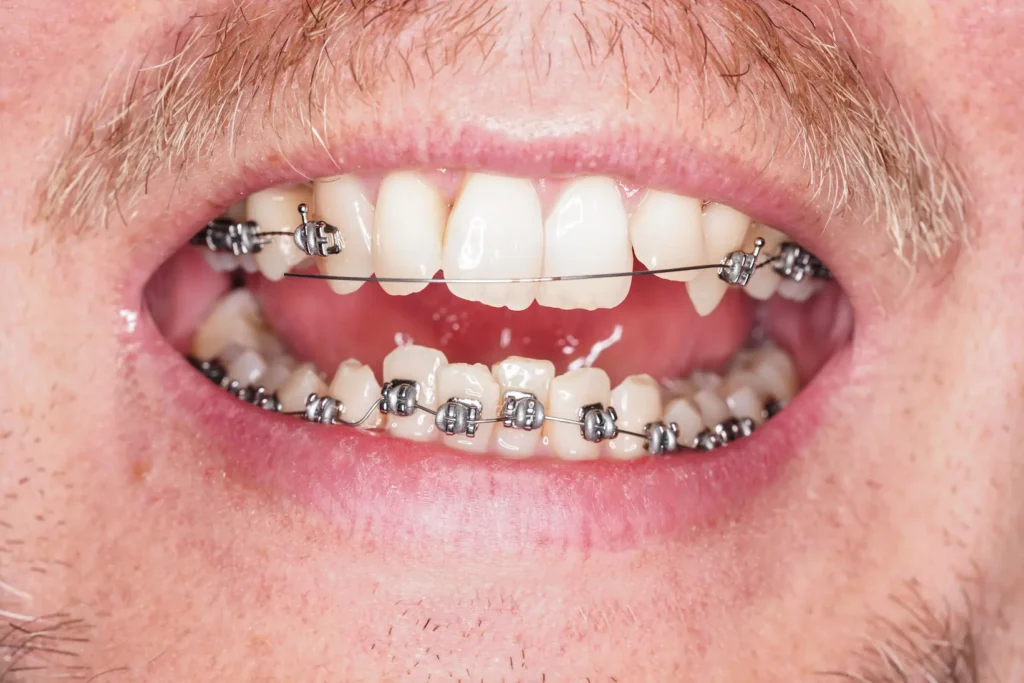

A beautiful smile only works when it still looks like your smile.
That point gets missed surprisingly often. People come into cosmetic consultations carrying screenshots of celebrity veneers, social media filters, and before-and-after photos that are dramatic enough to stop a scroll. Then they sit down, start talking, and reveal what they actually want: teeth that look healthy, Cosmetic Dentistry Bakersfield CA balanced, and believable. Not blindingly white. Not bulky. Not so perfect that friends immediately ask what was done.
That is where good cosmetic dentistry separates itself from flashy cosmetic dentistry. In a city like Bakersfield, where patients range from professionals who spend their day in meetings to parents juggling school pickups, oil field schedules, and community events, the most successful work tends to be the least obvious. People want confidence. They do not want a smile that announces the procedure before they say hello.
Natural results in Cosmetic Dentistry Bakersfield CA come from restraint, planning, and a clear understanding of how teeth behave in real faces, under real light, and during real conversation. The final result is not just about the teeth themselves. It depends on shape, color, gum symmetry, lip movement, facial proportions, and the patient’s age, skin tone, and personality. That combination is what makes cosmetic work either blend beautifully or feel artificial.
Natural does not mean unchanged
There is a common misconception that natural-looking cosmetic dentistry means making the smallest possible change. Sometimes that is true. A little bonding on one chipped incisor can completely restore a smile without anyone noticing dental work. Other times, subtle but meaningful changes across several teeth create the most believable outcome.
Natural means the work fits the person.
A 24-year-old patient with translucent enamel and a narrow smile should not receive the same treatment design as a 58-year-old patient with worn edges, old fillings, and darker tooth shade from decades of coffee and red wine. If both patients walk out with the same bright white, uniformly square veneers, something has gone wrong in the planning.
Experienced cosmetic dentists pay attention to details patients cannot always name but instantly recognize. Cosmetic Dentistry Bakersfield CA They notice whether the front teeth should have soft rounded corners or crisper line angles. They decide how much translucency belongs at the incisal edge. They think about whether the canines should look a little stronger, whether one lateral incisor naturally sits a fraction behind the central, and whether the overall smile should appear polished or a bit more relaxed.
Those decisions are rarely accidental. They come from a mix of technical knowledge and visual judgment.
The first step is usually more conversation than treatment
Patients often expect the process to begin with scans, x-rays, or shade tabs. In many cases, it begins with questions.
What bothers you when you look in the mirror?
What do you notice in photos? Have your teeth changed over time? Do you want people to notice your smile, or simply think you look refreshed? Are you trying to correct color, wear, spacing, shape, crowding, or all of the above?Those conversations matter because cosmetic dentistry can solve the same visible problem in different ways. A small gap between front teeth might be treated with bonding, clear aligners, veneers, or a combination. Mild crowding can sometimes be disguised cosmetically, but if the bite is unstable, a shortcut may look good for six months and create a maintenance headache later.
One of the clearest signs of a thoughtful cosmetic practice is that not every patient gets the same recommendation. Some need orthodontic movement before cosmetic work. Some should whiten first and delay restorations until the final shade is stable. Some are better candidates for a single ceramic veneer than a full set. And some are told, honestly, that their healthiest option is to leave certain imperfections alone.
That honesty tends to produce the best results.
Why facial harmony matters more than bright teeth
The human eye does not judge a smile tooth by tooth. It judges the whole composition.
A natural cosmetic result depends on proportion. The front teeth need to relate well to the lower lip, the smile line, and the amount of gum tissue shown when the patient speaks and laughs. Even the width of the smile matters. A narrow arch with very bright front veneers can look disconnected from the darker posterior teeth. A smile can be technically well-made and still feel off because the teeth do not belong to the face around them.
This is why mockups, photographs, and digital planning have become so useful. They help patients and dentists evaluate more than color. They make it easier to assess length, edge position, and symmetry before any irreversible work is done.
Still, technology only helps when used with judgment. A digital simulation can give a rough preview, but it cannot replace an experienced eye. Real teeth reflect light differently than images on a screen. Lips move. Expressions change. A smile seen straight on can read differently at a three-quarter angle.
Dentists who consistently create natural cosmetic outcomes know how to move between digital planning and real-world observation. They use the tools, but they do not let software make aesthetic decisions on its own.
Shade selection is where many smiles go wrong
When people think of cosmetic dentistry, they often think first about whiteness. That makes sense. Color is the most obvious feature to a casual observer. It is also one of the easiest ways to make a smile look unnatural.
Natural teeth are not one flat color. They have depth. The neck of the tooth near the gum is often slightly warmer. The body may be brighter. The edge can show a degree of translucency or opalescence, especially in younger teeth. Even healthy, attractive teeth contain variation.
A restoration that is too opaque can look chalky. One that is too white for the patient’s complexion can pull attention away from the eyes and face. That effect is especially noticeable in outdoor sunlight, which is abundant in Bakersfield and less forgiving than soft indoor office lighting. A shade that seemed glamorous in the operatory can look stark at a soccer field, in a car mirror, or on a bright patio at lunch.
Good shade selection considers more than what is fashionable. It considers age, skin tone, existing dentition, and how the patient wants to look in everyday settings. Younger patients may suit a brighter result, though still not a flat white. Older patients often look better with brightness moderated by warmth and natural character. The goal is vitality, not artificial uniformity.
Many dentists encourage whitening before veneers or bonding if the patient wants an overall lighter smile. That sequence allows the dentist to match the final restorations to the brightened natural teeth instead of overbuilding ceramic just to create the illusion of whiteness.
Materials matter, but artistry matters more
Patients understandably ask whether porcelain is better than composite, or whether one brand of ceramic is more lifelike than another. Material choice does matter. Some ceramics transmit light beautifully and hold polish well over time. Composite bonding can be conservative and cost-effective for the right case. Each has advantages and trade-offs.
What matters just as much is how that material is used.
Porcelain veneers can look superb or obviously fake. Composite bonding can be elegant or bulky. Crowns can disappear into the smile or stand out immediately. The difference often comes down to preparation, contour, surface texture, and communication with the lab.
A natural tooth is not a smooth white tile. It has line angles that influence perceived width. It has tiny variations in gloss and texture. It catches light on some surfaces and softens it on others. Skilled cosmetic dentists and ceramists reproduce those subtleties deliberately. That is what makes a veneer look like enamel rather than a shell.
I have seen modest cases transformed by tiny decisions. Shortening one central incisor by half a millimeter can stop the smile from looking rigid. Softening the facial contour of a canine can make a restoration blend better with neighboring teeth. Adding slight translucency to the incisal third can create life in a smile that otherwise looked flat. None of these adjustments sound dramatic, but patients notice the difference even when they cannot explain it.
Conservative treatment often creates the most believable outcome
One of the strongest trends in modern aesthetic dentistry is a move toward conservation. That is good news for patients.
Years ago, some cosmetic plans leaned too quickly toward aggressive veneer preparation across many front teeth. Today, many practitioners take a more selective approach. If alignment can be improved with clear aligners first, less ceramic may be needed later. If a small chip can be repaired with bonding, the tooth structure can remain largely intact. If whitening and enamel reshaping solve the patient’s main concern, that may be all the treatment required.
This conservative mindset usually supports natural results because it preserves what nature already got right.
Original enamel has a quality that restorations can imitate but never fully duplicate. Healthy gum architecture, untouched tooth contours, and the subtle asymmetries of a real smile often provide the character that makes cosmetic work convincing. The best treatment plans improve on those features without erasing them.
That said, conservative does not always mean minimal. A patient with severe wear, old failing bonding, or multiple mismatched restorations may need more comprehensive treatment to regain balance and function. The point is not to do less at all costs. The point is to do what is necessary, and no more.
The Bakersfield factor: lifestyle, climate, and expectations
Cosmetic dentistry does not happen in a vacuum. Local lifestyle affects both goals and maintenance.
In Bakersfield, many patients lead practical, busy lives. They want work that holds up during long days, family obligations, and frequent coffee runs. Outdoor light is intense, which means overly bright or monochromatic restorations can look especially unnatural. Dry heat can also make hydration habits, lip appearance, and oral comfort relevant during treatment planning and healing.
There is also a strong preference among many patients for results that look polished but approachable. They may want to look more rested, more put together, more camera-ready at work or social events, but not transformed into someone else. That tends to align well with modern cosmetic principles: balanced proportions, healthy color, and restorations designed to blend into the person’s overall appearance.
For practices offering Cosmetic Dentistry Bakersfield CA, understanding those local expectations matters. The right smile for a patient in one setting may not be the right smile for a patient here. Cosmetic choices should reflect not only anatomy, but also context.
Procedures that often deliver natural improvements
Some of the most natural cosmetic changes come from treatments that work with existing tooth structure rather than replacing it outright. The right option depends on the condition of the teeth, the bite, and the patient’s priorities, but these approaches commonly produce believable results:
- Teeth whitening, especially when discoloration is the main complaint and the tooth shape is already attractive.
- Cosmetic bonding for small chips, worn edges, or minor gaps, particularly when the surrounding enamel is healthy.
- Clear aligner therapy to reposition teeth before any restorative work, reducing the need for heavier alteration.
- Porcelain veneers for front teeth with shape, color, or surface issues that cannot be corrected conservatively.
- Enamel contouring and gum reshaping in select cases where tiny refinements improve symmetry significantly.
What connects these treatments is not the procedure itself, but the planning behind it. Whitening can look natural or glaring. Veneers can look elegant or overdone. Bonding can disappear into the smile or create obvious ledges. Technique decides the outcome.
Bite and function quietly shape aesthetics
A smile is not static. Teeth meet, slide, absorb force, and endure years of habits. If a cosmetic plan ignores that reality, even beautiful work can chip, wear, or feel uncomfortable.
This is why experienced cosmetic dentists evaluate bite carefully, especially in patients with grinding, clenching, uneven wear, or a history of broken dental work. A person may arrive asking for prettier front teeth, but if those front teeth are being overloaded every night, the long-term solution has to include function.
Sometimes the most cosmetic decision is to address a structural problem first. That might mean orthodontic alignment, replacing old unstable restorations, adjusting the bite, or recommending a night guard after treatment. Patients are occasionally surprised by this. They expected a purely visual process and instead hear about force distribution and wear patterns.
But this attention to function is one reason natural results last. Teeth that suit the face but do not suit the bite tend to fail early. Teeth that look right and work right generally age better.
Temporary restorations reveal a lot
One of the most valuable phases in cosmetic dentistry is the temporary stage, especially in veneer or crown cases. Patients often treat temporaries as a waiting period. Dentists know they are a live test.
Temporaries let the patient speak, smile, and function with the proposed shapes and lengths. They reveal whether a tooth edge feels too long, whether speech changes, whether the smile looks too square, and whether the overall design fits the patient in motion. Photos taken at this stage can be more informative than any digital preview.
This phase often prevents regrets. A patient may realize they love the added fullness but want the corners softened. Another may decide the planned brightness should be toned down slightly. A skilled dentist uses that feedback to refine the final restorations rather than treating the design as fixed from the outset.
Natural results are often built through this kind of adjustment. They are not always guessed correctly on the first try.
Lab communication is part of the art
Patients see the dentist, but in many cosmetic cases there is another key partner: the ceramist. When porcelain restorations are involved, strong lab communication can make or break the final look.
A good cosmetic case submission includes more than an impression and a shade name. It often includes photographs, stump shade information, notes on translucency, desired texture, incisal effects, and the patient’s aesthetic goals. Some dentists work closely with a single ceramist who understands their style. Others invite the lab into the planning process for complex cases.
This matters because natural teeth are nuanced. If a patient wants restorations that blend with neighboring teeth, the technician needs a clear visual roadmap. If all the lab receives is “make eight veneers, shade BL1,” the result may be technically clean but aesthetically generic.
The best outcomes tend to come from teams that share a visual language.
When less symmetry looks more real
Perfect symmetry is not always attractive. It can actually read as artificial.
Natural smiles often contain small differences. One incisal edge may sit a fraction lower. One lateral incisor may be slightly narrower. Surface texture may vary from tooth to tooth. Even gum levels that are close, not identical, can look more believable than aggressively corrected architecture.
That does not mean asymmetry should be ignored when it is distracting. A canted smile line, uneven central incisors, or excess gum display may need treatment. The point is that natural-looking cosmetic dentistry rarely aims for machine-made perfection. It aims for harmony with a little life left in it.
Patients often respond well when dentists explain this. Many come in thinking the goal is identical teeth lined up like piano keys. Once they see examples of nuanced, lifelike cosmetic work, they understand why slight individuality makes a smile more appealing.
Questions worth asking before starting treatment
Choosing a cosmetic dentist is partly about credentials and partly about aesthetic compatibility. Patients should feel comfortable asking direct questions about planning philosophy, material options, and how natural results are achieved. A short conversation can reveal a lot.
- Can I see cases that look subtle, not just dramatic smile makeovers?
- Do you usually recommend whitening or alignment before veneers when appropriate?
- How do you decide on tooth shape and shade for someone with my features?
- Will I have a chance to preview or test the design before the final restorations are made?
- How do you evaluate bite forces and long-term maintenance in cosmetic cases?
These questions shift the focus away from sales language and toward decision-making. That is usually where the quality of a cosmetic practice becomes clear.
Longevity depends on maintenance, not just craftsmanship
Even beautifully done cosmetic work needs care. Porcelain is durable, but not indestructible. Bonding can stain or chip over time. Whitening fades gradually. Gum health affects how any smile looks, no matter how expensive the restorations are.
Patients sometimes imagine cosmetic dentistry as a one-time finish line. In reality, it is more like a long-term investment. Regular hygiene visits, sensible home care, and protective appliances when indicated all help preserve the result. So does avoiding habits like opening packages with teeth or chewing ice.
Maintenance also includes realistic expectations. Composite bonding may need touch-ups sooner than porcelain. Whitening may need periodic refreshment. Veneers can last many years, often well over a decade in the right circumstances, but they do not last forever. Natural results are not only about how the work looks on delivery day. They are about how gracefully it ages.
That is another reason conservative planning matters. When treatment respects the underlying teeth and bite, future maintenance tends to be simpler.
The result should look inevitable
The best cosmetic dentistry has a quiet quality to it. It does not look accidental, but it also does not look imposed. Once healed and settled, the smile should appear as though it always belonged there.
People may say you look healthier. More confident. Younger, perhaps, though not in a strange or overstated way. They may not immediately identify the dental change, and that is often the highest compliment. It means the work improved the whole expression without turning itself into the headline.
That is what natural results really are. Not invisible dentistry, because the improvement should absolutely be visible. Rather, dentistry that supports the face instead of overpowering it.
For patients exploring Cosmetic Dentistry Bakersfield CA, that standard is worth pursuing. A smile can be brighter, smoother, straighter, and more balanced without becoming generic. It can look refined without looking manufactured. And when the planning is thoughtful, the materials are handled skillfully, and the treatment fits the person, cosmetic dentistry does something rare in healthcare and aesthetics at the same time: it makes a meaningful change feel completely natural.
Toothworks of Bakersfield, Dentist and Orthodontist
Address: 1030 H St #1, Bakersfield, CA 93304
Phone number: +16613239421
FAQ About Cosmetic Dentistry Bakersfield CA
What is considered cosmetic dentistry?
Cosmetic dentistry includes any dental treatment focused primarily on improving the appearance of your teeth, gums, or bite rather than treating a disease or restoring basic function.
How much does cosmetic dentistry usually cost?
The cost of cosmetic dentistry typically ranges from a few hundred dollars for minor touch-ups to over $20,000 for a comprehensive smile makeover, depending entirely on the specific procedure, materials used, and how many teeth are treated. Because most cosmetic treatments are elective, they are usually paid out of pocket without insurance coverage.
Is there a difference between a regular dentist and a cosmetic dentist?
Yes, a regular dentist focuses on your overall oral health and preventing disease, while a cosmetic dentist focuses on improving the look of your smile.